
Shizuku
Android has evolved significantly over the years, introducing stronger security, improved privacy controls, and a more advanced permission system. While these improvements make Android safer, they also limit what normal applications can do without elevated privileges. This is where Shizuku APK becomes one of the most useful Android utilities for advanced users. Instead of modifying the operating system or permanently rooting a device, Shizuku creates a bridge between supported applications and Android's privileged system APIs through officially supported Android mechanisms such as Android Debug Bridge (ADB) and Wireless Debugging.
Unlike many Android utilities that rely entirely on root access, Shizuku follows a different approach. After completing its setup, supported applications can perform specific privileged operations through Android's own framework. This allows compatible apps to deliver additional functionality while remaining within Android's supported architecture. As a result, many developers now integrate Shizuku support into their applications to unlock advanced Android features without requiring permanent device modifications.
App Information
Telemetry strip
App Name Shizuku
Category Tools
Developer Xingchen & Rikka
Version v13.6.0.r1091.b844bc49
Size 2.5 MB
Content Type ADB Permission Management, Wireless Debugging, Root & Non-Root API Access, System Service Management
Package Name moe.shizuku.privileged.api
Genre Developer Tools
Platform Android
Device Support Android 6.0 and Above
Additional Support PC (ADB), Wireless Debugging
Over the past few years, Shizuku has become one of the most recognized Android utility applications among developers, Android enthusiasts, power users, and productivity-focused users. Continuous updates improve Android compatibility, application support, Wireless Debugging integration, and overall stability, making it compatible with newer Android releases while supporting an expanding ecosystem of compatible applications.
For users looking to unlock additional Android functionality without depending entirely on traditional root methods, Shizuku has become an essential Android utility.
Screenshots
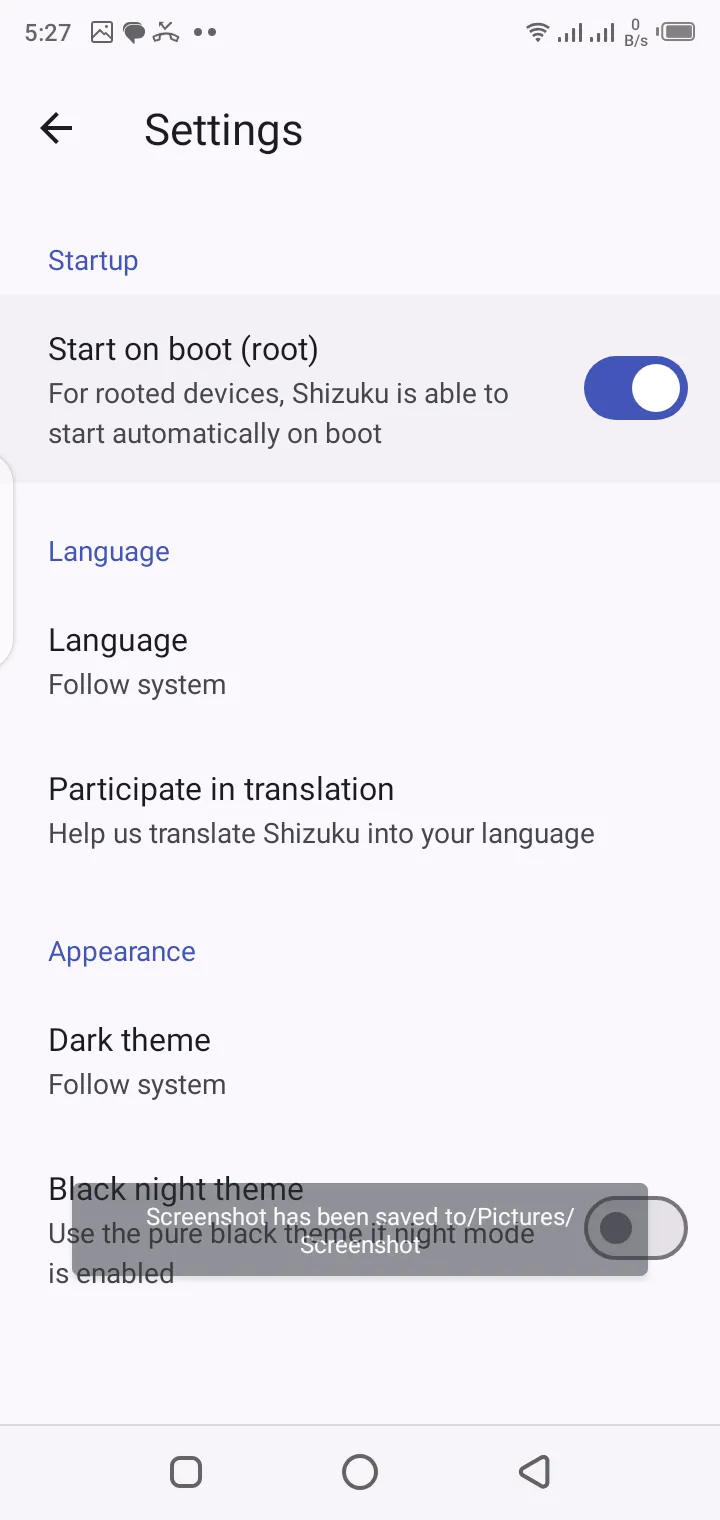
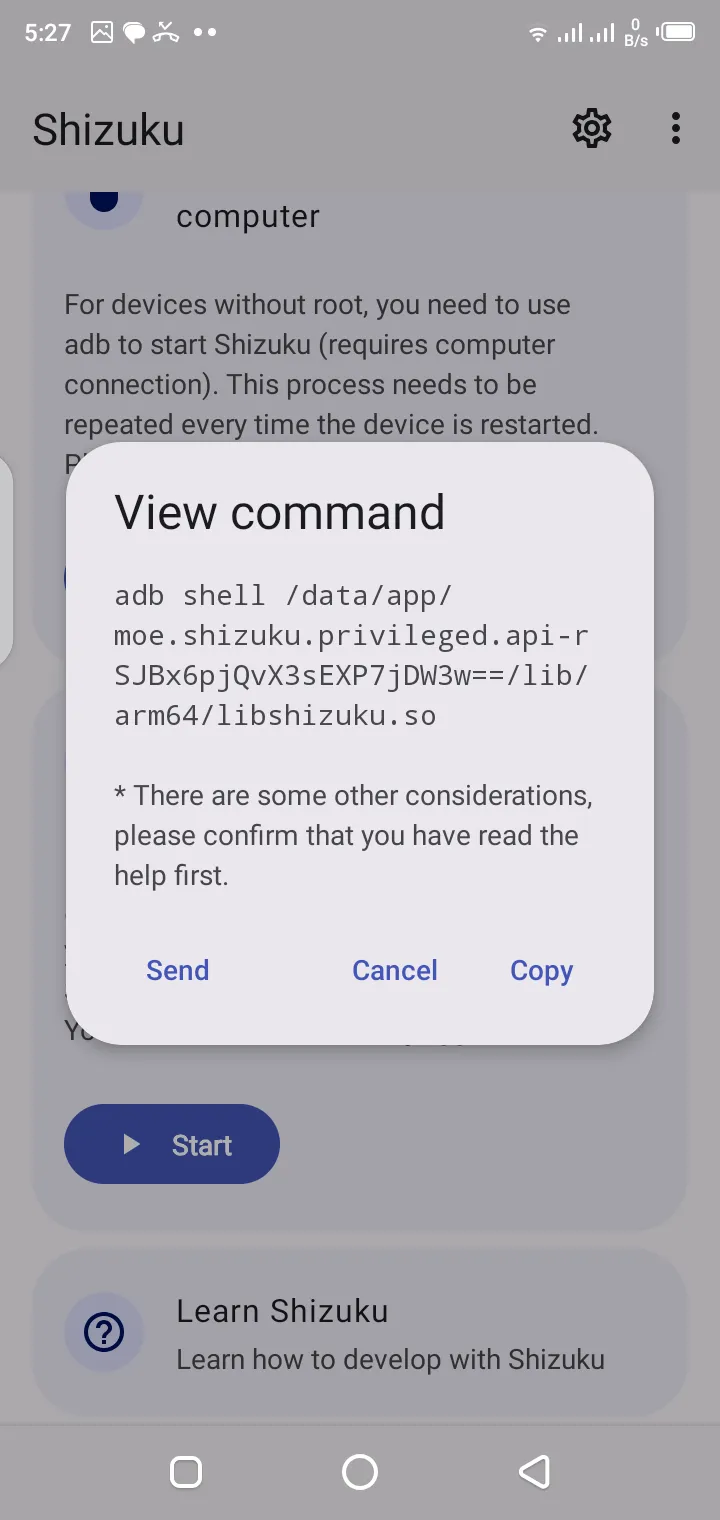
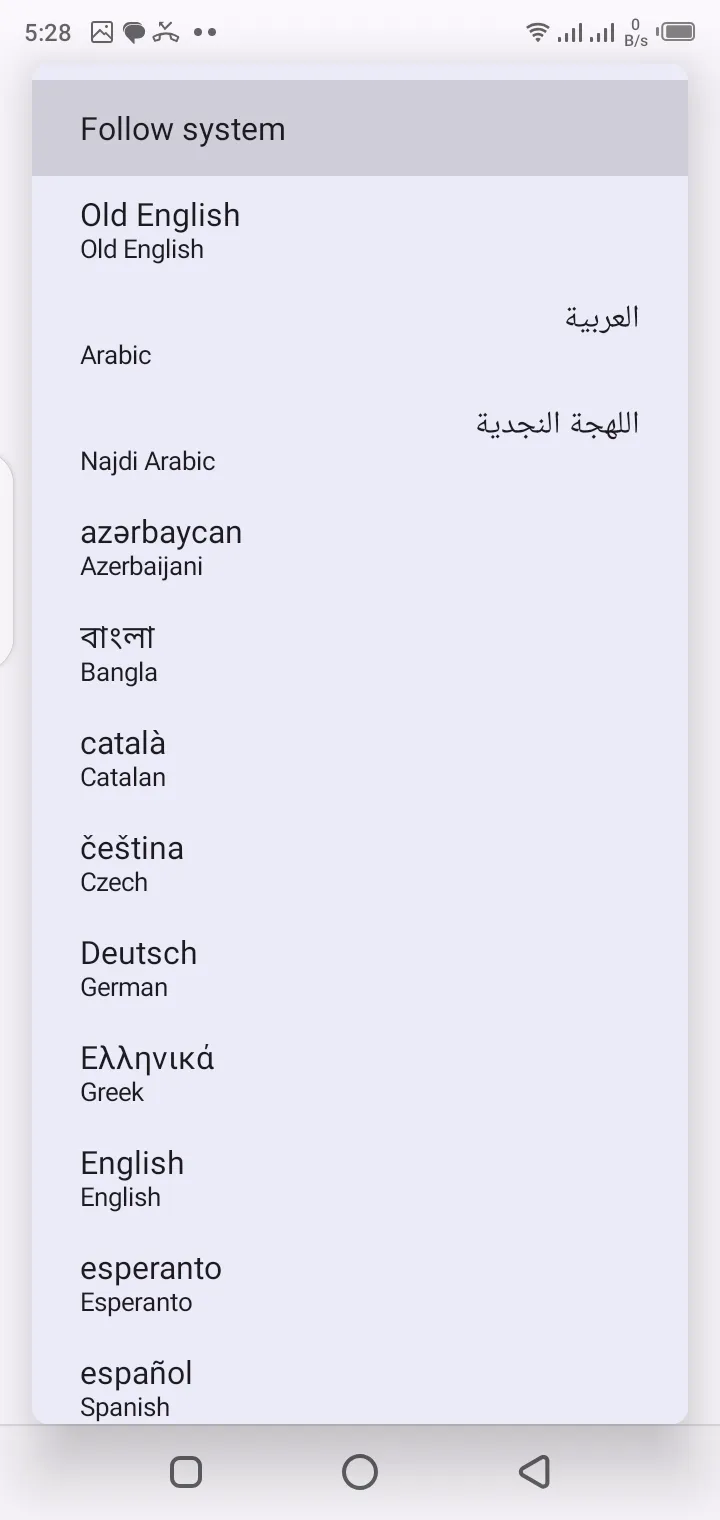
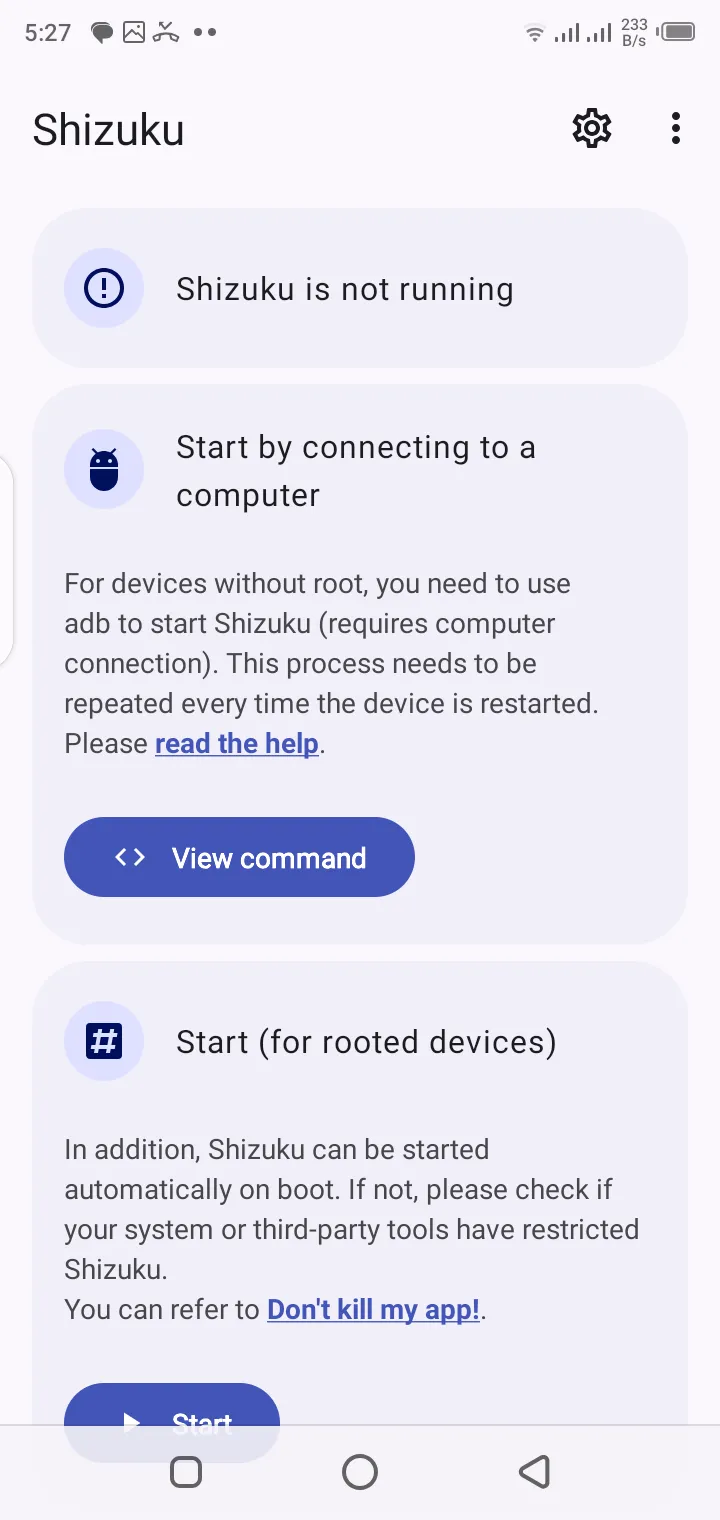
Shizuku on Android
Layer 1
What Is Shizuku APK?
Shizuku APK is an Android utility application that allows supported applications to access privileged Android system APIs through Android Debug Bridge (ADB) or Wireless Debugging.
Instead of giving applications unrestricted system control, Shizuku establishes a secure communication bridge between compatible apps and Android's authorized services. This architecture enables supported applications to perform advanced operations that would otherwise require elevated permissions.
Rather than acting as a root replacement, Shizuku works alongside Android's existing security model while expanding what supported applications can accomplish.
The platform supports multiple advanced Android functions, including:
- Android Permission Management
- ADB Integration
- Wireless Debugging
- System API Communication
- Developer Utilities
- Supported Android Applications
- Advanced Device Management
- Android Compatibility
- Performance Optimization
- Secure Permission Handling
Layer 2
Why Shizuku Has Become So Popular
Android users increasingly demand greater control over their devices without compromising stability or permanently modifying the operating system.
Shizuku has become popular because it offers a practical balance between flexibility and Android compatibility.
Its popularity continues growing due to several important advantages.
No Permanent Root Required for Many Tasks
Many supported applications can perform advanced operations through Shizuku without requiring permanent root access.
Modern Android Compatibility
Shizuku continues evolving alongside new Android versions, improving support for recent releases.
Growing Application Ecosystem
An increasing number of Android applications now integrate native Shizuku support.
Trusted by Android Enthusiasts
Developers, power users, and advanced Android communities widely recommend Shizuku because of its architecture and flexibility.
Layer 3
Core Features of Shizuku APK
Although many Android users first discover Shizuku through permission management tools, the platform provides far more functionality than a single feature.
Its core capabilities include:
Android Permission Management
Allow supported applications to communicate with Android system services using authorized APIs.
Wireless Debugging Support
Configure Shizuku on compatible Android versions without relying entirely on USB debugging.
ADB Integration
Initialize Shizuku using Android Debug Bridge for supported workflows.
Secure System Communication
Provide supported applications with access to privileged Android APIs through an authorized communication layer.
Developer Support
Enable developers to build applications that integrate directly with the Shizuku framework.
Together these features make Shizuku one of the most versatile Android utility platforms available today.
Layer 4
Understanding Android Permission Management
Android Permission Management represents the primary entity inside the Shizuku ecosystem.
Every Android application operates within Android's security sandbox, which limits direct interaction with protected system services. These restrictions improve user privacy but also prevent many useful applications from offering advanced functionality.
Shizuku helps bridge this gap by allowing supported applications to communicate with privileged Android APIs after successful initialization.
Permission management inside Shizuku focuses on:
Authorized API Communication
Supported applications interact with Android services using approved communication methods.
Better Permission Handling
Applications can request advanced operations through the Shizuku service instead of requiring unrestricted system access.
Secure Android Integration
Shizuku works alongside Android's existing permission architecture rather than bypassing it.
Expanded Application Functionality
Developers can design applications that perform advanced Android operations through supported APIs.
Permission Management serves as the foundation upon which every other Shizuku feature is built.
Layer 5
How Shizuku Works
Unlike conventional Android utilities, Shizuku does not directly modify Android.
Instead, the process works through several connected components.
First, the Shizuku service is started using ADB or Wireless Debugging.
Next, supported Android applications communicate with the running Shizuku service.
The service then interacts with Android's privileged APIs on behalf of compatible applications using authorized mechanisms.
This layered architecture provides several important benefits.
Better Security
Applications only perform supported operations through authorized communication.
Improved Stability
Because Android itself remains unchanged, system stability is maintained.
Better Compatibility
Future Android updates remain easier to support compared with permanent operating system modifications.
Cleaner Development
Developers can integrate advanced Android functionality without requiring traditional root workflows.
This architecture has made Shizuku one of the most respected Android frameworks among developers.
Layer 6
Why Developers Support Shizuku
Application developers continuously search for ways to provide advanced functionality while maintaining Android compatibility.
As more developers integrate Shizuku support, the ecosystem continues expanding across different categories of Android applications.
Shizuku allows developers to:
- Reduce dependence on root-only features.
- Improve compatibility with modern Android versions.
- Deliver advanced utilities safely.
- Expand application capabilities.
- Simplify permission-related workflows.
- Build better Android productivity tools.
Layer 7
Shizuku Within the Android Ecosystem
Shizuku does not function as a standalone utility.
Instead, it connects multiple Android technologies together.
Rather than operating independently, these technologies create a complete Android utility ecosystem where secure permission handling, developer tools, modern Android APIs, and compatible applications work together to extend device functionality while maintaining Android's security model.
These include:
- Android Permission Management
- Android Debug Bridge (ADB)
- Wireless Debugging
- Supported Applications
- Developer Features
- Android APIs
- System-Level Operations
- Android Compatibility
- Performance Optimization
- Advanced Android Customization
Layer 8
ADB Integration
Android Debug Bridge (ADB) is one of the most important technologies behind Shizuku. Rather than modifying Android or unlocking unrestricted system access, Shizuku uses ADB to initialize its background service. Once the service is running, compatible applications can communicate with Android system APIs through the Shizuku framework.
ADB is an official Android development tool that allows computers to communicate with Android devices for debugging, testing, and advanced management tasks. Shizuku utilizes this trusted Android component instead of relying on unofficial methods.
ADB integration provides several important advantages.
Official Android Framework
Shizuku works with Android's official debugging environment.
Secure Initialization
The service starts through Android's supported authorization process.
Better Stability
Using ADB helps maintain Android system integrity.
Improved Compatibility
Modern Android devices continue supporting ADB, making Shizuku compatible with newer releases.
ADB remains one of the core technologies that differentiate Shizuku from many other Android utilities.
Layer 9
Wireless Debugging Support
Recent Android versions introduced Wireless Debugging, allowing users to connect debugging services without requiring a permanent USB connection.
Shizuku fully supports this modern Android capability.
Wireless Debugging provides several advantages.
Cable-Free Configuration
Users can initialize Shizuku without remaining connected by USB after setup.
Faster Daily Usage
Reconnect the service more conveniently.
Better User Experience
Reduce setup complexity for supported Android versions.
Modern Android Integration
Take advantage of Android's latest developer features.
Wireless Debugging has significantly simplified the Shizuku setup process for many Android users.
Layer 10
Why Wireless Debugging Matters
Wireless Debugging improves both flexibility and convenience.
Instead of carrying USB cables for repeated initialization, users on compatible Android versions can configure Shizuku directly through Android's wireless debugging features.
This offers several practical benefits.
Faster Startup
Initialize the service more efficiently.
Portable Configuration
Manage supported devices more comfortably.
Better Productivity
Reduce unnecessary setup steps.
Improved Accessibility
Allow more users to configure Shizuku successfully.
Wireless Debugging has become one of the most valuable improvements for Shizuku users.
Layer 11
Supported Applications
One of the biggest strengths of Shizuku is its growing ecosystem of compatible Android applications.
Instead of functioning independently, Shizuku becomes more powerful as additional developers integrate support into their applications.
Supported applications commonly include categories such as:
Permission Managers
Applications that manage advanced Android permissions.
File Management Utilities
Apps designed for advanced file operations.
Device Customization Tools
Applications that customize Android behavior.
Productivity Applications
Utilities that automate Android workflows.
Developer Utilities
Apps built for Android development and testing.
As more developers adopt Shizuku, application compatibility continues expanding.
Layer 12
Why Developers Integrate Shizuku
Shizuku gives Android developers an alternative method for implementing advanced functionality without depending entirely on traditional root solutions.
Developers benefit from:
Better Android Compatibility
Support modern Android versions more effectively.
Expanded Features
Provide advanced functions through authorized APIs.
Cleaner Development
Reduce complexity when implementing privileged operations.
Better User Experience
Allow advanced functionality for supported users.
This growing developer ecosystem continues strengthening the Shizuku platform.
Layer 13
Android Compatibility
Android compatibility remains one of the biggest priorities for every Shizuku update.
Since Android security evolves every year, Shizuku continuously adapts to support newer Android releases while maintaining compatibility with supported APIs.
Android compatibility improvements focus on:
New Android Versions
Support recent Android releases.
Better Stability
Improve long-term reliability.
API Compatibility
Adapt to Android framework changes.
Improved Performance
Maintain responsive operation across supported devices.
Regular updates help keep Shizuku compatible with Android's evolving ecosystem.
Layer 14
Secure Permission Architecture
Security remains one of Android's strongest design principles.
Shizuku works alongside this architecture instead of replacing it.
The platform emphasizes:
Authorized Communication
Supported applications communicate through approved Android services.
Controlled Access
Applications only perform supported operations after authorization.
Android Security
Respect Android's permission framework.
Stable System Operation
Maintain compatibility with Android security mechanisms.
This design philosophy has helped Shizuku gain widespread trust within the Android community.
Layer 15
Performance Optimization
Efficient performance is important for both users and developers.
Shizuku receives continuous optimization to improve:
Service Stability
Maintain reliable background operation.
Faster Communication
Improve interaction between supported applications and Android APIs.
Lower Resource Usage
Optimize memory and processing requirements.
Better Long-Term Reliability
Support extended Android usage.
Performance improvements continue arriving through regular updates.
Layer 16
Why Keep Shizuku Updated
Installing the newest version helps users benefit from ongoing platform improvements.
Updates commonly include:
Better Android Compatibility
Support newer Android releases.
Expanded App Compatibility
Increase support for additional applications.
Improved Stability
Reduce technical issues.
Better Performance
Enhance overall responsiveness.
Security Improvements
Maintain compatibility with Android security updates.
Keeping Shizuku updated ensures the best possible experience.
Layer 17
Android Enthusiast Community
Shizuku has become extremely popular among Android enthusiasts because it enables advanced Android functionality while preserving system stability.
Its growing community continues contributing tutorials, compatible applications, and development support.
Many experienced Android users rely on Shizuku for:
- Advanced permission management.
- Productivity workflows.
- Android customization.
- File management.
- Developer testing.
- Automation utilities.
- Device optimization.
- System administration.
Layer 18
Common Advantages of Shizuku
Users choose Shizuku because it offers a practical balance between flexibility and Android compatibility.
Some of its biggest advantages include:
Modern Android Support
Continue using advanced features on supported Android versions.
Better Developer Ecosystem
Access a growing collection of compatible applications.
Flexible Configuration
Initialize the service through ADB or Wireless Debugging.
Secure System Integration
Work with Android instead of modifying Android.
Reliable Operation
Benefit from continuous optimization and platform updates.
These advantages explain why Shizuku remains one of the most recommended Android utilities for advanced users.
Layer 19
Internal Knowledge Ecosystem
Shizuku connects directly with every major topic inside this website.
Together these supporting topics build a complete semantic knowledge base where Android permissions, developer APIs, ADB, Wireless Debugging, supported applications, and compatibility work together to explain every aspect of the Shizuku ecosystem.
These include:
- What Is Shizuku APK
- How Shizuku Works
- ADB Setup Guide
- Wireless Debugging Guide
- Shizuku vs Root Access
- Apps That Support Shizuku
- Android Permission Management
- Android Compatibility
- Latest Shizuku Updates
- Common Shizuku Errors & Fixes
- Developer Features
- Frequently Asked Questions
- Shizuku Use Cases & Benefits
Layer 20
Shizuku vs Root Access
One of the most common questions Android users ask is whether Shizuku can replace root access. While both technologies allow certain advanced operations, they are designed for different purposes and work in completely different ways.
Root access gives unrestricted administrative control over the Android operating system. Users with root privileges can modify protected system files, install deep system modifications, and perform operations that are normally unavailable on standard Android devices.
Shizuku, on the other hand, does not permanently root a device. Instead, it provides supported applications with access to privileged Android APIs through Android's official debugging framework after proper authorization.
Because of this architectural difference, Shizuku focuses on compatibility and security rather than unrestricted system modification.
For many Android users, Shizuku provides enough advanced functionality without requiring permanent root access.
Shizuku
- Uses official Android APIs.
- Works through ADB or Wireless Debugging.
- Does not permanently modify Android.
- Supports compatible applications.
- Maintains better compatibility with Android updates.
Traditional Root
- Grants unrestricted administrator access.
- Allows complete system modification.
- May affect OTA updates.
- Supports deeper customization.
- Requires additional system modifications.
Layer 21
Who Should Use Shizuku?
Shizuku is designed primarily for users who want additional Android functionality while maintaining a standard Android environment.
It is especially useful for:
Android Enthusiasts
Users interested in exploring advanced Android features.
Developers
Application developers who build or test Android software.
Productivity Users
People using advanced Android utilities for daily workflows.
Power Users
Individuals who frequently customize and optimize Android devices.
Technical Users
Users comfortable working with Android developer features.
Because of its flexibility, Shizuku appeals to a wide range of Android users.
Layer 22
Real-World Use Cases
The usefulness of Shizuku becomes much clearer when looking at practical applications.
Supported apps commonly use Shizuku for many advanced Android tasks.
Advanced Permission Management
Help compatible applications perform authorized permission-related operations.
Application Management
Improve control over supported Android applications.
File Operations
Assist advanced file management utilities.
Device Customization
Support Android personalization through compatible apps.
Productivity Automation
Allow supported utilities to automate repetitive Android workflows.
These practical use cases continue expanding as additional developers integrate Shizuku support.
Layer 23
Why Application Compatibility Matters
The strength of Shizuku depends largely on its growing ecosystem of supported applications.
Every new developer who adds Shizuku compatibility increases the overall usefulness of the platform.
Benefits include:
More Features
Additional applications introduce new functionality.
Better Productivity
Users gain access to more advanced Android tools.
Stronger Ecosystem
Applications complement one another through shared Shizuku integration.
Future Growth
Community adoption continues expanding every year.
Application compatibility remains one of Shizuku's greatest strengths.
Layer 24
Best Practices When Using Shizuku
Following recommended practices helps users achieve the best experience.
Experienced users generally recommend:
Install the Latest Version
Benefit from compatibility improvements and bug fixes.
Keep Android Updated
Support newer APIs and security improvements.
Use Compatible Applications
Only use applications that officially support Shizuku.
Follow Official Setup Procedures
Initialize the service using recommended methods.
Review Permissions Carefully
Understand the permissions requested by every application.
These recommendations improve both reliability and long-term compatibility.
Layer 25
Common Misconceptions
Several misconceptions often appear among new Shizuku users.
Shizuku Is Not Root
It works differently from permanent root access.
Shizuku Does Not Modify Android
It communicates through supported Android APIs.
Not Every App Supports Shizuku
Applications require explicit developer integration.
Setup Is Required
Users must initialize the service before supported apps can communicate with it.
Understanding these concepts helps users avoid confusion during setup.
Layer 26
Security and Privacy
Security remains one of the reasons Shizuku has gained trust within the Android community.
The platform emphasizes:
Official Android APIs
Communication occurs through supported Android services.
Controlled Authorization
Supported applications require proper initialization.
Better Compatibility
Updates continue following Android's evolving security model.
Stable Operation
The Android operating system remains unchanged.
Because of this architecture, Shizuku has become a preferred solution for many advanced Android users.
Layer 27
Why Millions of Android Users Choose Shizuku
Shizuku continues growing because it solves a problem that many Android users face.
Instead of forcing users to choose between basic Android functionality and permanent root access, Shizuku offers an alternative that works with Android's official framework.
These qualities have made Shizuku one of the most respected Android utility platforms available today.
Users appreciate Shizuku because it combines:
- Modern Android compatibility.
- Secure permission handling.
- Wireless Debugging support.
- ADB integration.
- Growing application compatibility.
- Active development.
- Strong developer adoption.
- Reliable long-term support.
- Stable architecture.
- Flexible Android customization.
Frequently Asked Questions
Common Questions
Shizuku is an Android utility that allows supported applications to communicate with privileged Android system APIs through ADB or Wireless Debugging.
Many supported features work without permanent root by using Android Debug Bridge or Wireless Debugging after proper setup.
On supported Android versions, Wireless Debugging provides one of the easiest ways to initialize the Shizuku service.
No.
Only applications that have integrated Shizuku support can communicate with the framework.
When downloaded from a trusted source and configured correctly, Shizuku operates using Android's supported debugging framework and permission architecture.
Shizuku itself is designed to provide advanced API communication rather than increase device speed. Performance improvements depend on how compatible applications use the framework.
Regular updates provide:
Installing the latest version helps maintain compatibility with modern Android releases.
- Better Android compatibility.
- Improved stability.
- Expanded application support.
- Performance optimization.
- New developer improvements.
Conclusion
Shizuku APK has become one of the most influential Android utility applications by providing a secure and practical way for supported apps to communicate with privileged Android system APIs. Rather than replacing Android's security model or requiring permanent root access for many common use cases, Shizuku works alongside official Android technologies such as ADB and Wireless Debugging to unlock advanced functionality for compatible applications.
Its combination of Android Permission Management, official API communication, developer support, growing application compatibility, regular updates, Wireless Debugging integration, and strong Android compatibility has created an ecosystem trusted by developers, power users, and Android enthusiasts around the world.
Whether you want to improve application management, use advanced Android utilities, customize supported features, or explore developer-focused tools, Shizuku provides a flexible platform built around Android's official framework. As more applications continue adopting native Shizuku support and Android evolves with new capabilities, Shizuku remains one of the most valuable solutions for users seeking advanced Android functionality without sacrificing long-term stability, compatibility, or security.